Porcelain, Ceramic or Natural Stone: Which Tile Floor Fits Your House
Three families of tile, three different personalities. Here is how to match them to the rooms you actually live in.
October 6, 2026 · 4 min read
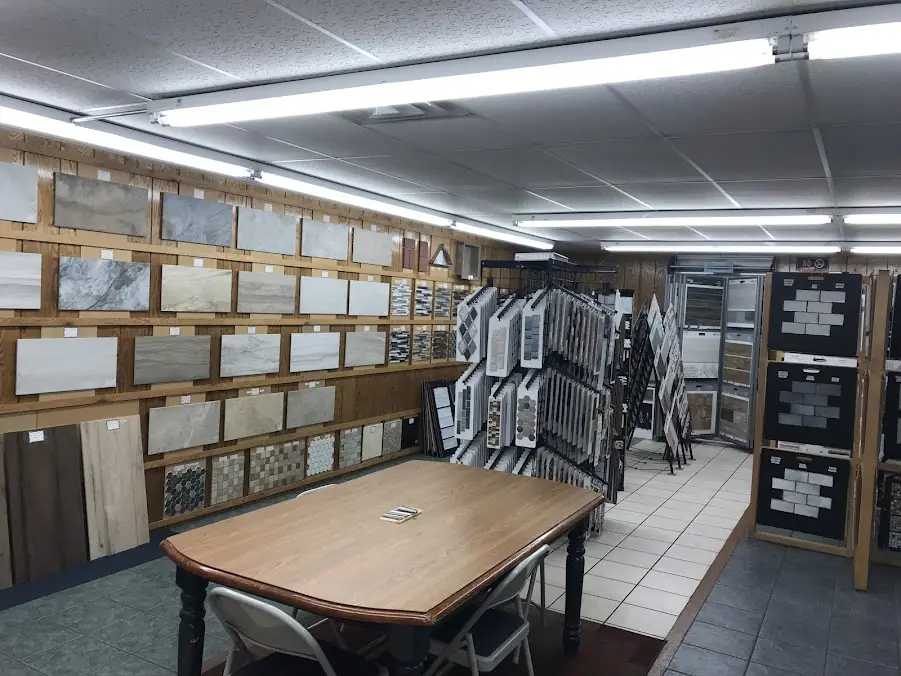
Walk into a tile showroom and the first question isn't about color. It's about what the tile is made of. Ceramic, porcelain and natural stone can look alike from across the room, and they behave very differently once you've lived on them for a few years. Knowing the difference saves you from putting a delicate stone in the muddiest room of the house, or paying for something tougher than a guest bath needs.
M & M Tile & Carpet carries all three families, from ceramic and porcelain to marble, granite, slate, quarry, travertine and tumbled marble. Much of it is imported direct from manufacturers in Italy and Spain, plus seven other countries, and the Highway 412 West showroom keeps one of the larger inventories of in-stock tile in the area. That gives you the chance to put the three side by side, which is the best way to decide.
Ceramic: the easy, flexible choice
Ceramic tile is made from clay, fired, and finished with a glaze that carries the color and pattern. It's generally a little softer and easier to cut than porcelain, which is part of why it's so common on walls, backsplashes and floors that don't see heavy abuse. If you're tiling a bathroom floor in a house where nobody wears work boots indoors, ceramic does the job and gives you a huge range of colors, sizes and patterns.
The thing to watch is chips. Because the glaze is a surface layer, a hard drop of a cast iron pan can chip the glaze and show the clay body underneath, which is usually a different color. That's rarely a worry in a powder room. It matters more in a kitchen.
Porcelain: built for traffic
Porcelain is made from finer clay, fired harder, and ends up denser than ceramic. It absorbs very little water, which is why it's the usual pick for entries, kitchens, mudrooms, laundry rooms and any floor that has to take daily punishment. Many porcelain tiles carry their color and pattern all the way through, so a scratch doesn't show up as a different color the way it can on glazed ceramic.
Porcelain is also where you'll find the wood-look planks and stone-look slabs that fool people at a glance. You get the pattern of oak or marble in a surface that doesn't need sealing or refinishing. The tradeoff is that porcelain is harder to cut and drill, so it calls for an installer with the right blades and enough patience. Installation to the manufacturer's specifications matters even more with dense tile.
Natural stone: travertine, tumbled marble and slate
Natural stone is quarried, not manufactured, so no two tiles are identical. That's the appeal. A travertine floor has soft, warm color variation and small natural pits. Tumbled marble has rounded edges and a worn, old-world surface. Slate is cleft in layers, which gives it a textured face that hides dirt and feels solid underfoot, though it can be uneven enough that your installer has to plan for it.
Stone asks more of you. Most stone is porous and wants a sealer, and the sealer needs to be refreshed from time to time. Softer stones like marble and travertine can etch when something acidic sits on them, such as lemon juice, wine, vinegar or the wrong cleaner. M & M carries tile cleaners and sealers along with the tile, so ask which products suit the stone you're considering and how to use them.
Match the tile to the room
- Kitchen: porcelain is the safest choice for a floor that sees dropped pans and wet boots. Stone works too if you're willing to seal it and wipe up acids quickly.
- Main bathroom: ceramic or porcelain both work. Smaller tiles and textured finishes grip better when the floor is wet.
- Entry and mudroom: porcelain or slate. These floors take grit, which scratches softer surfaces.
- Living areas: any of the three. This is where natural stone shows off best, because the floor is a feature rather than a work surface.
- Anything outdoors or on a porch: ask specifically whether the tile is made for that use before you buy.
The parts you don't see decide how it lasts
Tile is rigid, and it only stays put when the floor underneath is flat and stiff. A good installer checks the subfloor first and fixes problems before a single tile goes down. The setting material matters as much as the tile. M & M distributes setting materials from Bostik, Roberts and Stauf, along with Durock backer board and a full line of tools, so the whole job can come from one place.
Grout is the other quiet decision. A darker grout hides dirt, while a color close to the tile makes a floor look larger and calmer. Wide joints suit rustic stone and tumbled edges. Narrow joints suit crisp, rectified porcelain. Hold the grout sample next to the tile sample before you decide.
Pick up samples, carry them home, and set them on your actual floor in your actual light. Then come walk the racks on Highway 412 West in Tontitown, or call 479-361-2551 for a free estimate on the tile and the installation.
M & M Tile & Carpet, 479-361-2551
Call 479-361-2551More articles
How to Turn a Carpet Remnant Into an Area Rug
A good remnant, cut to the size your room actually needs, is one of the oldest and most practical ways to get a rug.
Planning a Tile Shower: Wall Tile, a Pebble Floor, Trim and Backer Board
A good shower is decided long before the first tile goes up, and the part you will never see matters most.